
Introduction
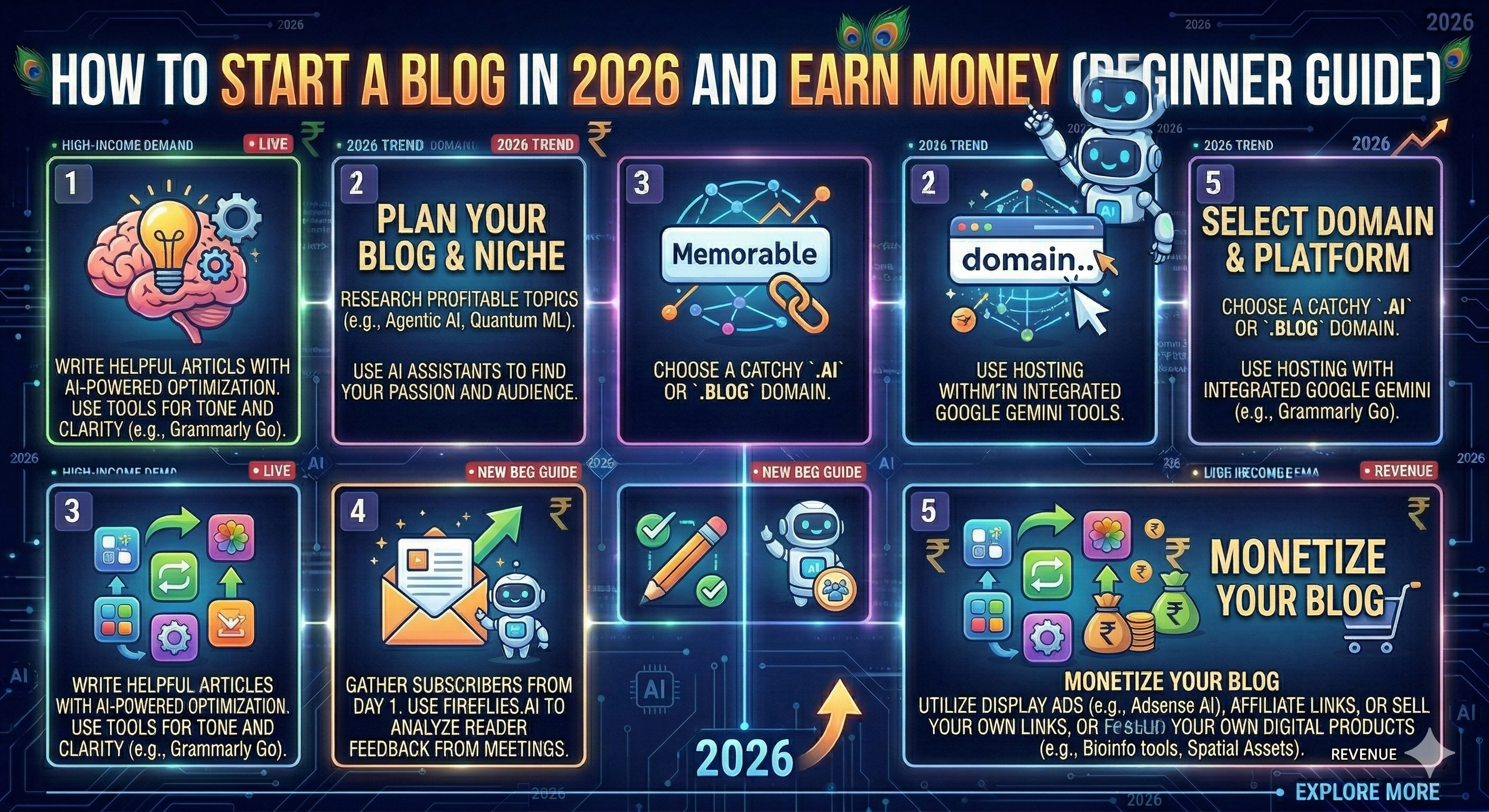
Starting a blog is an exciting journey, especially in 2026 when the digital landscape is more vibrant and accessible than ever. If you’ve thought about sharing your thoughts, expertise, or passions online, now is the perfect time to dive in. Whether you’re aiming to express yourself creatively or earn some extra income, blogging can be a rewarding venture.
In this comprehensive guide on how to start a blog in 2026 and earn money, I’ll walk you through the essential steps to set up your blog, attract an audience, and ultimately monetize your efforts. From choosing the right platform to implementing effective marketing strategies, this guide will cover it all. So, let’s embark on this blogging adventure together!
Importance of Blogging
Understanding the significance of blogging can motivate you to start and sustain your blogging journey. Here’s why blogging is essential:
- Self-Expression: Blogging gives you a platform to share your unique voice and perspective with the world.
- Skill Development: The process of blogging helps you hone your writing, marketing, and technical skills.
- Building Community: A blog can connect you with like-minded individuals who share your interests and passions.
- Potential Income: With the right strategies, you can monetize your blog to create a sustainable income stream.
By recognizing these benefits, you’ll not only be more inclined to start your blog but also stay motivated as you navigate the challenges ahead.
Step-by-Step Guide to Starting a Blog in 2026
1. Define Your Niche
What Is a Niche?
Your niche is the specific topic or area you want to focus on in your blog. Choosing the right niche is crucial because it helps you target a specific audience and establish your authority in that area.
How to Choose Your Niche
- Passion & Expertise: Select a topic you are passionate about and knowledgeable in. This will keep you engaged and motivated.
- Research Market Demand: Use tools like Google Trends and keyword research tools to identify trending topics and audience interest.
Practical Tip: Create a list of potential niches and evaluate them based on your interests and audience demand. Narrowing down to one will help you focus your content better.
2. Choose a Blogging Platform
Different Blogging Platforms
The next step is choosing the right blogging platform. Here are some popular options:
- WordPress.org: Highly customizable and flexible, ideal for those serious about blogging.
- Wix: A user-friendly website builder that allows drag-and-drop design.
- Blogger: A simple and straightforward platform, great for beginners, but with limited functionality.
Why WordPress.org?
For serious bloggers, WordPress.org is the go-to choice. It offers full control over your blog and the ability to use various plugins for enhanced functionality.
Practical Example: If you’re using WordPress, you can access numerous themes and plugins to customize your blog’s appearance and functionality as your blog grows.
3. Get Your Domain Name and Hosting
Choosing a Domain Name
Your domain name is your blog’s address on the internet. It should be:
- Memorable: Choose something easy to remember and type.
- Relevant: It should reflect your blog’s niche.
Best Practices for Domain Names
- Keep It Short: Shorter names are easier to remember.
- Avoid Numbers and Hyphens: They can confuse people when they try to remember your URL.
Getting Hosting
A good hosting service is crucial for your blog’s speed and security. Recommended hosting providers include:
- SiteGround: Excellent customer service and performance.
- Bluehost: Officially recommended by WordPress and ideal for beginners.
Practical Tip: Invest in a hosting plan that offers a free domain name for the first year. This can save you money as you set up your blog.
4. Set Up Your Blog
Install WordPress
If you’ve chosen WordPress.org, most hosting providers offer one-click installations. Follow the prompts to set it up easily.
Choose a Theme
A theme dictates how your blog looks. Choose a clean, responsive design that aligns with your brand’s identity.
Customize Your Blog
- Plugins: Install essential plugins such as Yoast SEO for optimization, Akismet for spam protection, and Jetpack for security.
- Create Essential Pages: Start with important pages such as About, Contact, and Privacy Policy.
Practical Example: Use premium themes from sites like ThemeForest or Elegant Themes for more professional designs that are still easy to customize.
5. Create Quality Content
Content Is King
Quality content is the backbone of your blog. Focus on delivering valuable, informative, and engaging posts.
Planning Your Content
- Content Calendar: Develop a content calendar to plan and organize your blogging schedule.
- Blog Post Ideas: Brainstorm a list of topics related to your niche. Use keywords to optimize for search engines.
Write Engaging Posts
- Compelling Headlines: Write catchy headlines that grab attention.
- Subheadings: Use subheadings to break up text and make it more readable.
- Images and Videos: Incorporate visuals to enhance engagement.
Practical Tip: Use the 2:1 ratio for your posts—two pieces of informative content for every promotional piece. This will keep your audience engaged without feeling overwhelmed by sales pitches.
6. Promote Your Blog
Social Media Sharing
Once your posts are live, share them across your social media platforms. Platforms like Instagram, Facebook, Twitter, and Pinterest are great for driving traffic.
Engage with Your Audience
Monitor comments and messages. Engaging with your audience helps to build a community around your blog.
Email Marketing
Start building an email list from day one. This is essential for nurturing your readers and keeping them updated with new content.
Practical Tip: Use email marketing services like Mailchimp or ConvertKit to create and manage your email campaigns easily.
7. Monetize Your Blog
Different Monetization Methods
Once you have consistent traffic, it’s time to start making money. Here are some popular monetization methods:
- Affiliate Marketing: Promote products relevant to your niche and earn a commission on sales generated through your referral links.
- Sponsored Content: Collaborate with brands to create sponsored posts on your blog.
- Ad Networks: Use platforms like Google AdSense to display ads on your blog and earn revenue per click.
- Selling Products/Services: Offer your own digital products, e-books, or consulting services.
Practical Example: Join affiliate programs in your niche, such as Amazon Associates, to start monetizing through product recommendations from your very first post.
8. Analyze and Adjust Your Strategy
Use Analytics
Utilize tools like Google Analytics to monitor your blog’s performance. Tracking user behavior, traffic sources, and popular posts can provide valuable insights.
Adjust Your Strategy
Be prepared to adapt your content and marketing strategies based on the analytics data. Find what works best for your audience.
Regularly Review Goals
Set monthly goals for traffic, income, and content creation. Regularly reviewing these goals will help you stay on track and motivated.
Practical Tip: Create quarterly reviews to evaluate your blog’s growth, analyze setbacks, and determine new goals.
FAQ Section
1. Do I need tech skills to start a blog?
No, you don’t need extensive tech skills. Many blogging platforms, especially WordPress, are designed to be user-friendly.
2. How much does it cost to start a blog?
The costs can vary, but typically, you should budget for domain registration, hosting (around $3 to $10/month), and any premium themes or plugins you may want.
3. Can I blog part-time and still make money?
Yes! Many bloggers start part-time and gradually build their income to a full-time level.
4. How often should I post new content?
Aim to create 1-2 quality posts per week to keep your audience engaged and improve search engine rankings.
5. What are the best platforms for blogging?
WordPress.org is excellent for those serious about blogging. Other options include Wix and Squarespace for a more hands-on approach without extensive technical know-how.
Conclusion
Starting a blog in 2026 and turning it into a money-making venture is an achievable goal with the right strategies and commitment. Remember, the journey may not always be smooth, but with persistence, creativity, and a solid plan, you can carve out your place in the blogosphere.
What are you waiting for? Start brainstorming your blog’s niche today and take the first step toward sharing your voice with the world. If you found this guide helpful, check out more tips on growing your blog and maximizing earnings. Here’s to your blogging success!
Also Read : “Best Passive Income Ideas Using Technology in 2026“
Leave a Reply